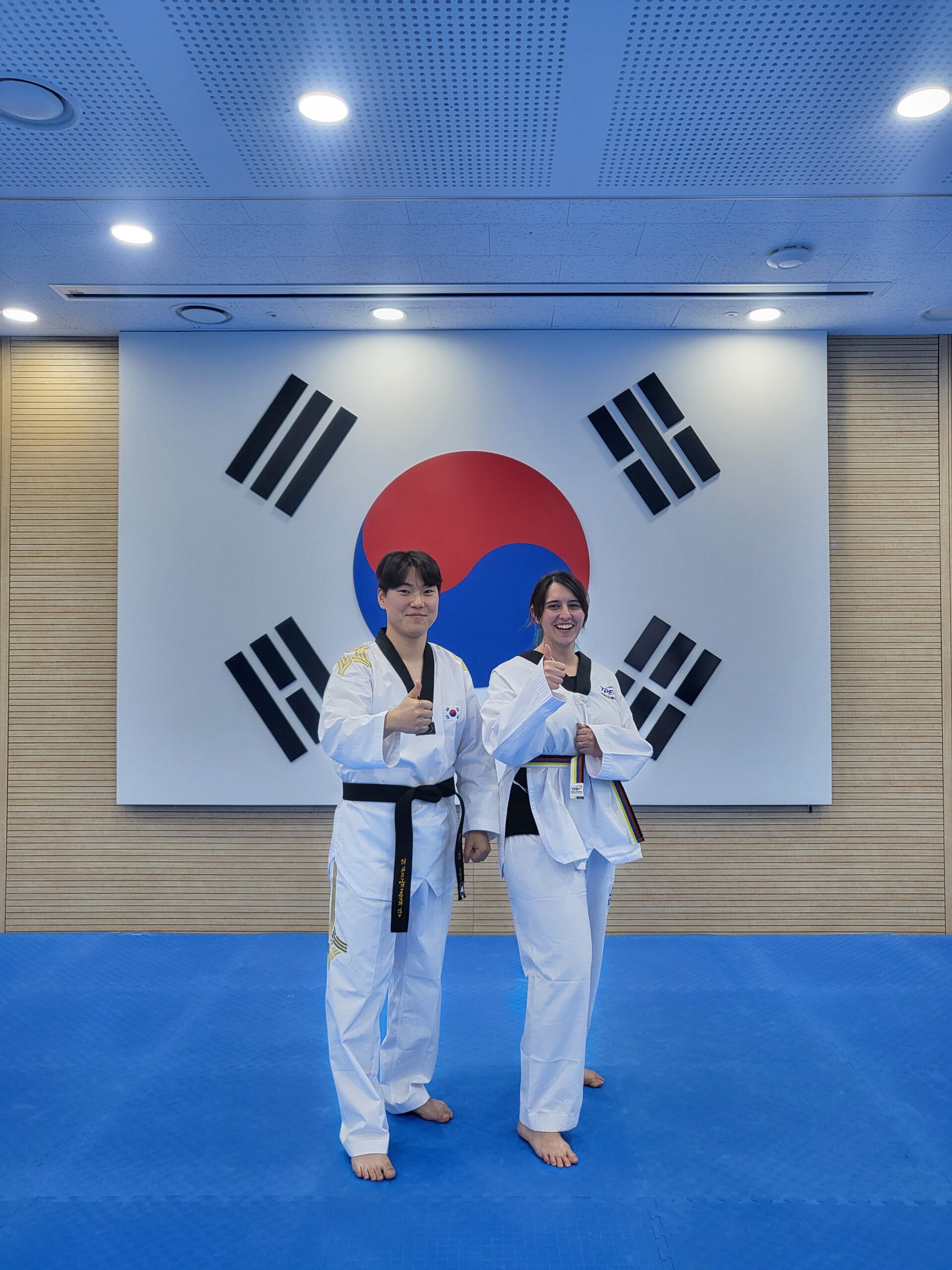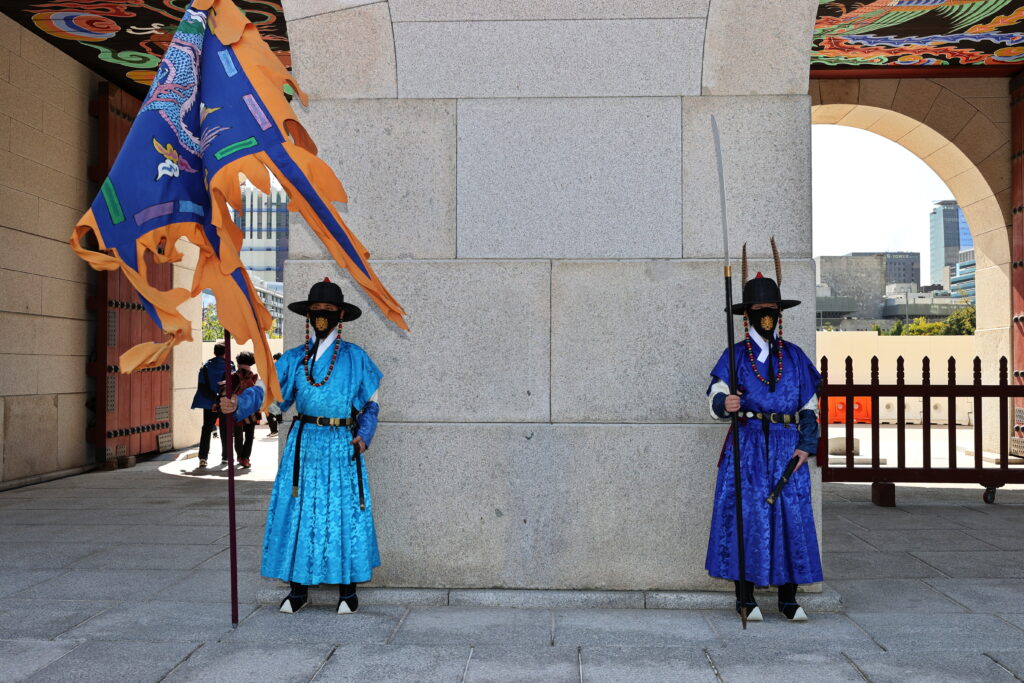
South Korea is a country full of contrast – where thousands of years of traditions and history exist next to the modern cityscapes and cutting-edge technology. One moment you are surrounded by skyscrapers and the modern lights, the next you find yourself in front of the gates of palace, temple or royal tombs.
Visiting Korea for the first time can be exciting but also overwhelming. There is so much to explore, but also to consider when planning your adventure to Korea. Coming to South Korea the first time can be overwhelming as there is so much to do and see and so much to consider. This guide will provide with an overview of what you can expect, what to consider and how to avoid common mistakes when coming to Korea. From seasonal tips and cultural etiquette to apps, transportation, and payments – you will find the basics here.
Let’s get started!
The Best Time to Visit Korea
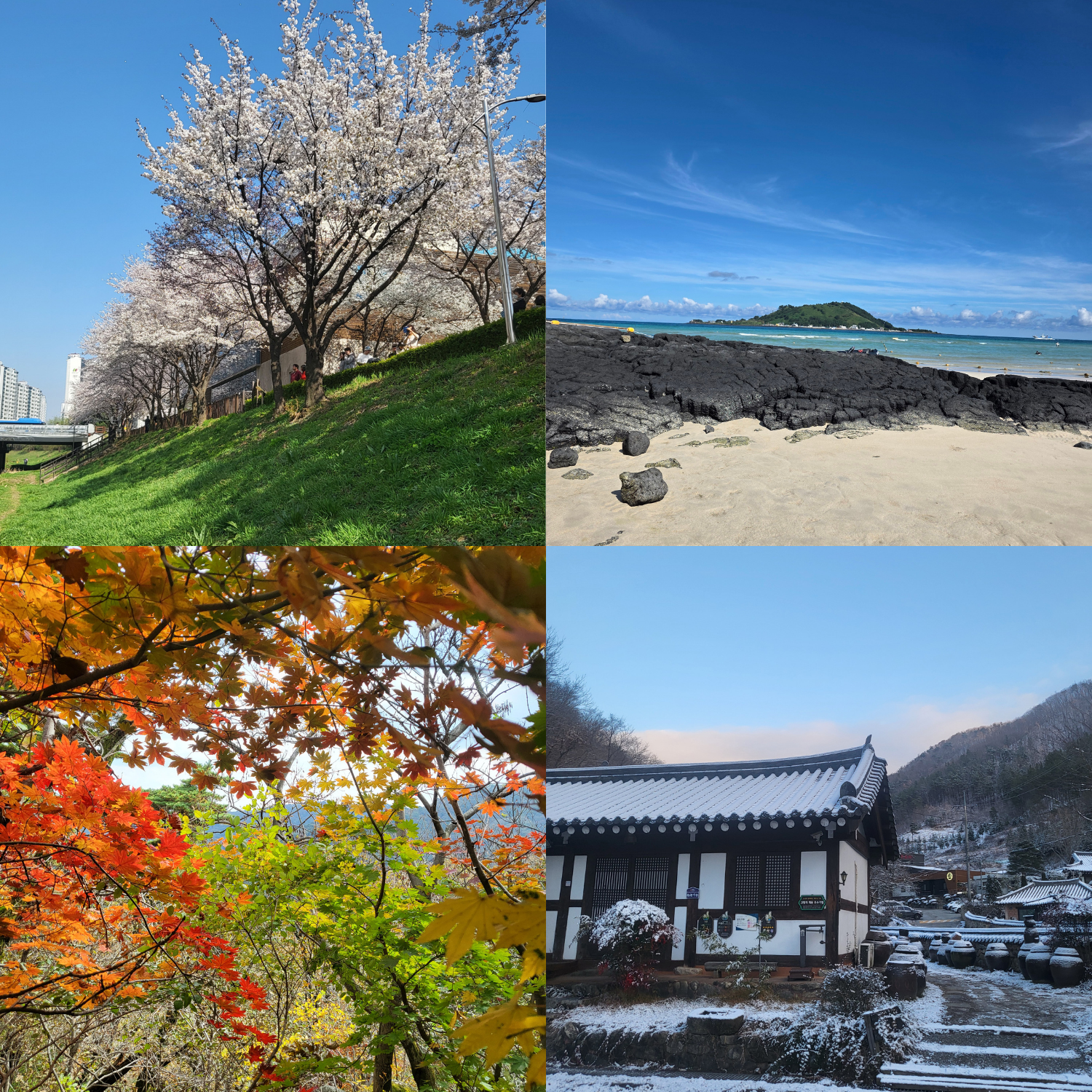
South Korea has four seasons and I personally recommend visiting in spring or fall, when the weather is mild and the scenery especially colorful – from the cherry blossoms in spring to the red fall leaves. Of course, every season offers something unique, especially thanks to the various festivals through the year across the country. However, the most comfortable and enjoyable times to experience Korea are in spring (March – June) and fall (September – November).
If you want to learn more about the seasons in Korea and suggestions for each, continue here.
Language Tips for Travelers in South Korea
I always recommend learning a few basic phrases and the Korean alphabet before visiting as it will make your time here easier. Although English is taught in schools, more people than you might expect don’t speak it—or are too shy to try. In tourist areas, English menus and assistance are more common, but once you explore places away from the popular spots, that’s not always the case. Mastering Korean is not necessary but having basic knowledge will definitely enhance your experience and unlock heartwarming encounters with the locals.
For everything else, a good translation app will usually do the trick.
Must-Have Apps for Your Trip to Korea
In my experience, there are a few apps that will make your time in Korea much easier – so I highly recommend downloading them before your trip:
1. Language
Papago: Often called the Korean version of Google Translate, this app is generally more accurate for Korean and also allows you to translate text in photos. It’s truly a lifesaver in many situations.
If you don’t want to download another app, Google Translate will still work in most cases, but Papago tends to be more reliable for Korean-specific translations.
2. Transportation
Naver Map or Kakao Map – Both are tailored for Korea and are far more accurate than Google Maps, which still struggles with navigation here. These apps are great for planning routes by foot, car, or public transportation.
Kakao Metro – This app covers the entire subway system in Seoul and surrounding areas. It’s especially useful if you’re sticking to the subway. Note: buses are not included.
The app shows which train car to enter for quicker transfers or exits, the train’s direction, and the correct platform—particularly helpful on Line 1 (dark blue), which can split off in different directions at major stations.
3. Travel
Visit Korea App – Developed by the Korea Tourism Organization, this official app is trustworthy and regularly updated. It provides a wide range of information on events, festivals, attractions, and essential travel details like transportation, accommodations, food, and shopping. It’s a great tool to have on hand while exploring.
Everything You Need to Know About Payments in Korea
The currency in Korea is the Korean Won (KRW). It’s often best to exchange money before your trip to get the best rates. However, if needed, there are plenty of money exchange centers in Seoul, especially in areas like Myeongdong, Hongdae, or Insa-dong.
South Korea is a very card-friendly and increasingly cashless society. Most places accept credit and debit cards. That said, some shops or cafés (especially chains such as twosome or Starbucks) may be completely cashless, so it’s important to check in advance if your card can be used internationally. Mobile payment options like Samsung Pay, Naver Pay, or Kakao Pay are widely used by locals but usually require a Korean bank account, so they may not be an option for short-term visitors.
If you need to withdraw cash, look for ATMs labeled “Global ATM” or those that indicate they accept foreign cards. You’ll find them in banks, convenience stores, and at the airport. Keep in mind that not every ATM accepts international cards, and fees may apply depending on your bank.
While card payments are common in cities, cash is still useful in traditional markets, small shops, and for street food. In some cases, you might even get a small discount for paying in cash. It’s a good idea to carry a bit of cash with you, especially when exploring outside of major urban areas.
Lastly, tipping is not a part of Korean culture. You’re not expected to leave a tip in restaurants, taxis, or salons – and in many cases, it may even be politely refused.
Transportation Tips for Traveling in Korea
South Korea, especially Seoul, offers an incredibly convenient public transportation system. The subway network is extensive, reaching far beyond the city into neighboring cities, which makes it easy to take day trips or explore the outskirts without a car.
If you’re staying longer in any major city, it’s highly recommended to get a transportation card. Not only does it save time, but some buses no longer accept cash, so having a card is often essential. Some cards are region-specific, while others can be used nationwide.
The T-money card is the most commonly used and works on subways, city buses, taxis, airport limousine buses, and even at many convenience stores. You can purchase it at the airport and convenience stores, recharging is also easily done at the convenience stores or at machines inside subway stations. Keep in mind that recharging the card usually requires cash.
The Cashbee card functions similarly but is more commonly used in southern regions like Busan. It also works on subways, buses, and some taxis.
The Korea Tour Card is designed with tourists in mind. It works like a T-money card but also includes discounts and perks for various tourist attractions, making it a great option for short-term visitors.
To make your trip easier, be sure to download Naver Map and the relevant subway or bus app for the city you’re staying in. These will help you navigate routes, timetables, and transfers far better than Google Maps.
Buses are also widely available, including in rural areas. However, bus schedules in smaller towns may be limited, so it’s a good idea to check the timetable in advance. When taking a bus, board at the front and tap your card when entering and again when getting off. If you forget to tap when exiting, the system won’t register where you got off and may charge you the highest fare the next time you use it.
For travel between cities, you have several options: long-distance buses, trains, or even flights. Buses are usually the cheapest, though they take the longest. Depending on the route and time of booking, flights can sometimes cost the same as a train ticket—especially for destinations like Busan. Among the train options, the KTX is the fastest but also the most expensive. It’s worth comparing travel times and prices before making a reservation.
How to Use the Discover Seoul Pass
The Discover Seoul Pass is offered by the Korea Tourism Organization and is a great option for tourists planning to explore multiple attractions in Seoul. You can choose between 48, 72, or 120 hours, and the timer starts once you use the pass for the first time.
With it, you get free access to over 70 major attractions, including palaces, museums, and cultural experiences. The physical pass can also be used as a transportation card, but you’ll need to charge it with money separately if you want to use it for subways or buses.
There are two types: a physical card and a mobile version. The mobile pass comes with extra features, such as the option to use it as an eSIM for mobile data, making it especially convenient for travelers.
To learn more about what’s included and how to use the pass, visit the official site.
Accommodation Options in Korea
Korea offers a wide variety of accommodations to suit every travel style and budget—from traditional hanok stays and backpacker hostels to modern hotels and a growing number of Airbnbs. Whether you’re looking for a unique cultural experience or just a comfortable place to rest, there’s something for everyone.
When booking a place to stay, make sure to check whether it offers Western-style beds or traditional floor sleeping (called yo)—this is especially common in more rural areas. Many traditional accommodations use ondol, Korea’s traditional floor heating system, which keeps the room warm and cozy from below during colder months.
To explore the best areas to stay in Seoul, read more here.
Food in Korea: What to Try and Where to Eat
Korean cuisine is world-famous for its barbecue, street food, and the wide variety of banchan (side dishes) served with every meal – but there’s so much more to discover. Eating out is a big part of Korean culture, and you’ll find an abundance of restaurants and cafés almost everywhere you go.
If you’re traveling alone, be aware that some restaurants—especially Korean BBQ spots—may not serve solo diners, as the minimum order is often for two or more people. If you’re set on trying BBQ, it’s best to check the menu in advance or consider joining local meet-up groups to dine with others. That said, more and more restaurants are becoming solo-friendly. A great option for solo travelers is Kimbap Cheonguk (Kimbap Heaven), a popular chain that offers a wide selection of Korean dishes at affordable prices.
If you have dietary restrictions (such as being vegan, vegetarian, gluten-free, or having allergies), dining out can be a bit more challenging—especially in rural areas. In larger cities like Seoul or Busan, you’ll find more options, but not all restaurants will have clear labeling or alternative menus. It’s helpful to learn a few key Korean phrases related to your dietary needs. Also keep in mind that older generations may not fully understand what being vegan or vegetarian means. A good tip is to seek out temple food, which is naturally vegan as it follows Buddhist monastic traditions.
If you’re sensitive to spicy food, don’t worry, as there are many non-spicy dishes available. Just make sure to ask in advance. In some cases, spicy sauces like gochujang (red pepper paste) are served on the side so you can adjust to your own taste. As a general rule: if it’s red, it’s probably spicy!
When it comes to paying, some restaurants require you to pay when you order, while others will let you pay afterward. Many cafés and restaurants now use self-service kiosks, so be ready to use your card. If your card doesn’t work and you only have cash, the staff will usually help you with the payment. Also, there is no tipping culture in Korea—tipping is not expected and sometimes even refused.
Staying Connected in Korea: SIM Cards, Wi-Fi, and More
While free public Wi-Fi is available in many places across Korea – especially in cafés, restaurants, and major attractions – it’s not always the most reliable or fast. If you’re planning to explore outside the big cities, it’s a good idea to have your own internet connection to stay connected at all times.
You can pre-order a pocket Wi-Fi (Wi-Fi egg), SIM card, or eSIM online before your trip and pick it up at the airport upon arrival. It’s a convenient and hassle-free option. If you forget to pre-book, don’t worry – you can still rent or purchase one directly at the airport. Just make sure to have your passport ready.
Unless you’re staying in Korea for an extended period, it’s usually not necessary to get a Korean phone number. A data-only SIM or eSIM is more than enough for short-term stays, especially if you’re using messaging apps like KakaoTalk or WhatsApp.
Daily Etiquette and Cultural Tips in Korea
As mentioned earlier, learning a few basic Korean phrases –and even the alphabet (Hangul) if possible – will go a long way in making your trip smoother and more enjoyable. Korean culture has its own set of customs and etiquette that may differ from what you’re used to, so being aware of a few key points can help you avoid misunderstandings and show respect.
Here are some important things to keep in mind:
- Respect for elders: Confucian values are still deeply rooted in Korean society. Even a one-year age difference can change how people interact. That’s why “How old are you?” is often one of the first questions you’ll be asked. This social hierarchy influences many areas of life – from speech levels to seating order – and is especially visible in public spaces like subways, restaurants, and workplaces.
- Use two hands: When giving or receiving something (like money, a gift, or even a drink), always use both hands. It’s a small gesture that shows respect.
- Greetings: A light bow is the standard greeting in Korea. Handshakes or hugs are generally not common, especially with people you don’t know well. If you’re greeting someone older or of higher status, the bow will usually be more subtle on their part than yours.
- Shoes off indoors: You’ll be expected to remove your shoes when entering someone’s home, and sometimes even in traditional-style restaurants or guesthouses. Watch for a shoe rack or indoor slippers at the entrance.
- Quiet on public transport: Korean subways and buses are quiet places. Avoid talking loudly, playing music without earphones, or taking loud phone calls. Eating is also discouraged, and although you’ll sometimes see take-out drinks, it’s best to avoid them – especially during busy hours.
Taking the time to learn about these cultural habits will help you feel more comfortable during your trip and show respect to the people you meet.
Helpful Tips You Might Not Expect
Korean culture may be quite different from what you’re used to, but that’s part of the beauty of traveling. You’ll also find plenty of similarities. Just stay open-minded, observant, and respectful of local customs and signs while visiting.
Here are a few important practical tips to help you navigate everyday life in Korea:
- Trash & Recycling: One of the first things visitors notice is the lack of public trash bins, especially outside of tourist hotspots and subway stations. That’s because Korea has very strict recycling and waste disposal regulations. If you’re staying in an accommodation like an Airbnb, you may be expected to separate trash by type and use special bags for non-recyclable waste, which must be purchased at convenience stores. In public stations, you’ll usually find separate bins for recyclables and general waste. Failing to sort trash correctly can result in fines, so take a moment to read posted instructions or ask your host if unsure.
- Toilet Paper: Not all toilets in Korea are built to handle flushed toilet paper. Many places – especially in older buildings or small cafés – will have signs asking you to dispose of paper in the bin instead of flushing. Always check for signs on the door or wall before using the toilet.
- Safety: Korea is considered one of the safest countries to visit, even at night. Streets are usually well-lit and equipped with CCTV, especially in nightlife areas. It’s common to see people leave phones or laptops unattended to reserve their seat at a café, and theft is rare. That said, there are exceptions everywhere.
- 24-Hour Convenience: Convenience stores (like GS25, CU, and 7-Eleven) are open 24 hours and are stocked with essentials, snacks, drinks, toiletries, and even simple meals. In bigger cities, you’ll also find restaurants and cafés open late or around the clock – though this may not apply in more rural areas.
- No Tipping Culture: Tipping is not expected or required in Korea – not in restaurants, taxis, salons, or even for services like hairdressers or delivery. In fact, some people may even feel uncomfortable or refuse a tip. You may see tip jars in cafés or bars that cater to foreigners, but traditional Korean establishments do not follow tipping customs.
Important Emergency Numbers in Korea
While Korea is a very safe country, it’s still helpful to know who to call in case of an emergency. Here are the most important numbers:
- 📞 112 – Police
- 📞 119 – Fire & Medical Emergency (ambulance)
- 📞 1330 – Korea Travel Hotline (24/7 multilingual tourist support)
You can call 1330 for help with directions, translation, travel advice, or to report issues during your trip. It’s a great resource for visitors and available in English, Chinese, Japanese, and more.
Final Thoughts Before Your Trip
South Korea is a country rich in history, culture, and adventure. As you explore, keep an open mind and immerse yourself in the local way of life – even if some things feel unfamiliar at first. That’s the beauty of traveling: discovering new perspectives. Don’t be afraid to step beyond the tourist hotspots; some of the most unforgettable moments come from spontaneous discoveries and local encounters.
You don’t have to love everything, but approaching each experience with curiosity and respect goes a long way. Remember, as a visitor, you also represent your home country – so leave a positive impression.
I hope your journey through Korea will be filled with unforgettable moments and meaningful memories.
If this guide helped you, check out my other tips on hidden gems, local hikes, and cultural insights across Korea.